FLIR K65 – NFPA‑compliant thermal imaging for firefighting & industrial emergency response
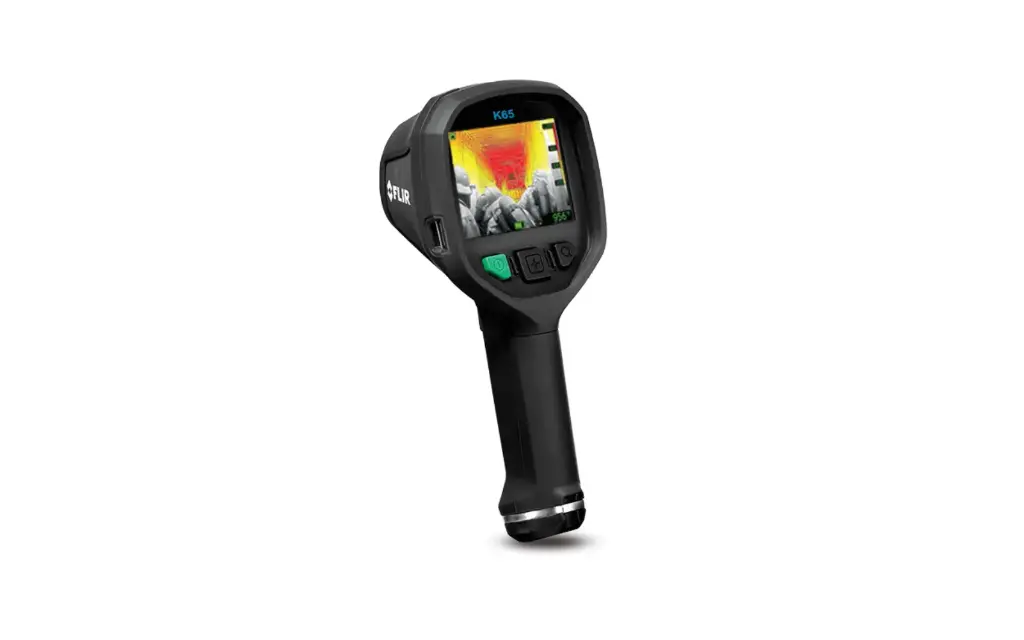
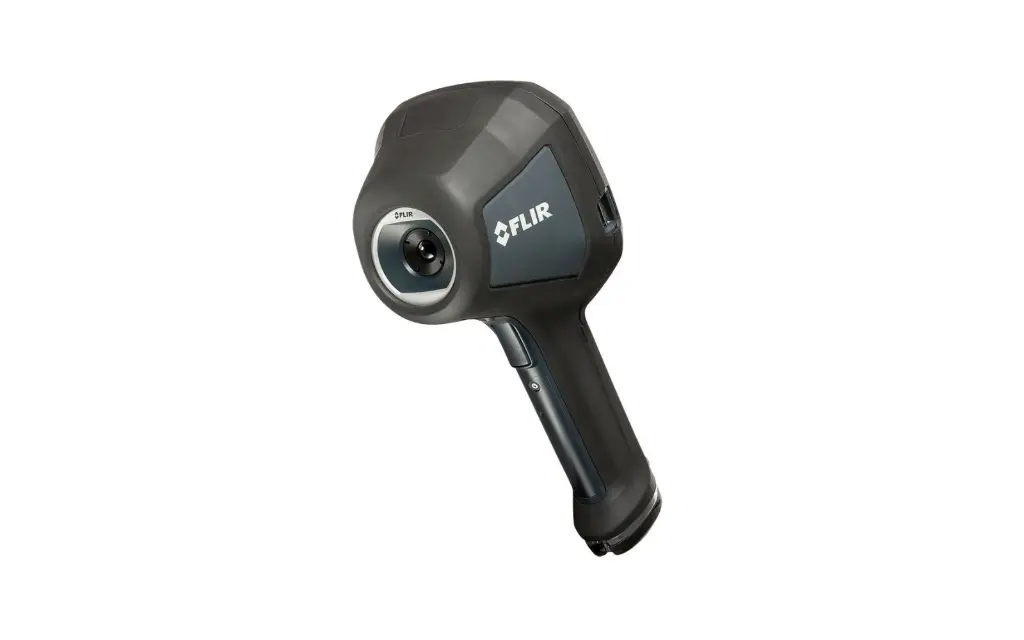
The FLIR K65 is a fully NFPA 1801‑2021 compliant thermal imaging camera engineered for structural firefighting and industrial emergency response. Designed to meet strict standards for usability, image presentation, durability and heat resilience, the K65 provides reliable thermal visibility in smoke‑filled or hazardous environments where clear decision‑making is critical.
Rugged and easy to operate with gloved hands, the K65 helps firefighters and industrial response teams navigate dark, high‑heat interior spaces, identify hotspots and locate victims. Built‑in image and video recording also supports incident documentation, review and training.
Key features
- The FLIR K65 is a fully NFPA 1801‑2021 compliant thermal imaging camera engineered for structural firefighting and industrial emergency response. Designed to meet strict standards for usability, image presentation, durability and heat resilience, the K65 provides reliable thermal visibility in smoke‑filled or hazardous environments where clear decision‑making is critical.
- Rugged and easy to operate with gloved hands, the K65 helps firefighters and industrial response teams navigate dark, high‑heat interior spaces, identify hotspots and locate victims. Built‑in image and video recording also supports incident documentation, review and training.
Typical Application
- Structural firefighting:
- Navigation through smoke‑filled rooms
- Identifying fire spread behind walls or ceilings
- Hotspot recognition during overhaul
- Industrial emergency response:
- High‑heat or hazardous environments inside plants, terminals or coastal facilities
- Engine‑room, power‑module or process‑area fire scenarios
- Fire brigade support for petrochemical, utility or marine infrastructure
- Search & rescue (SAR):
- Locating occupants or victims in zero‑visibility interior environments
- Training & post‑incident review:
- Recording scenes for tactical analysis and safety learning
- Supporting training curricula for fire departments and industrial brigades