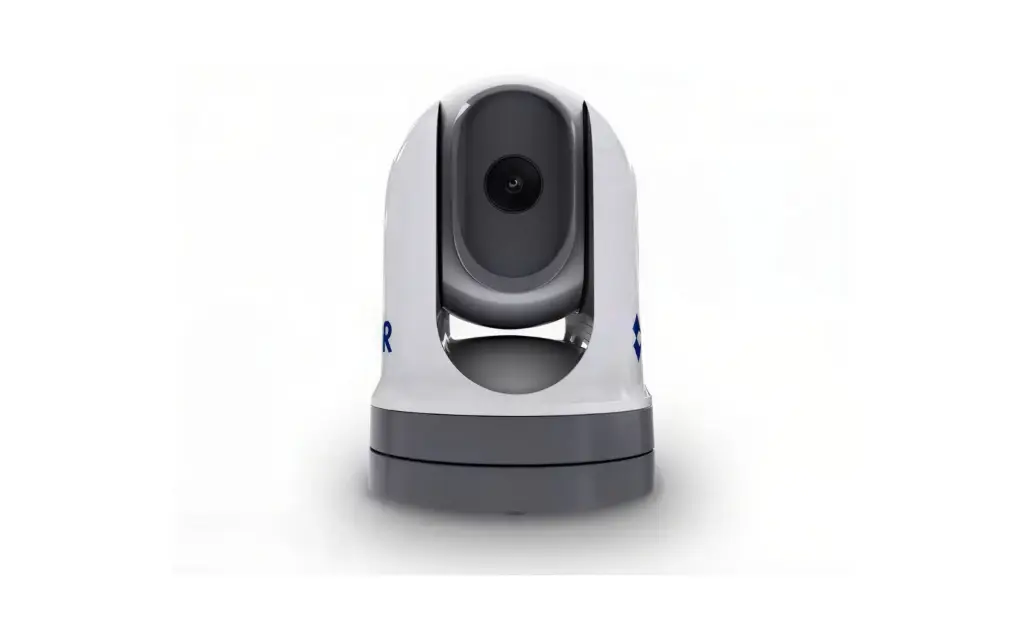
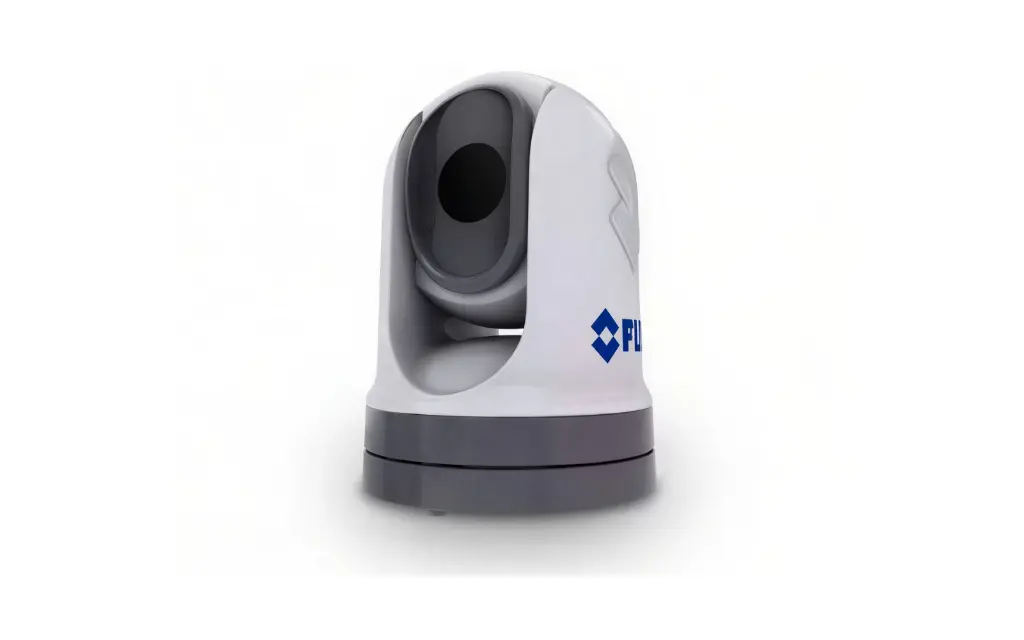
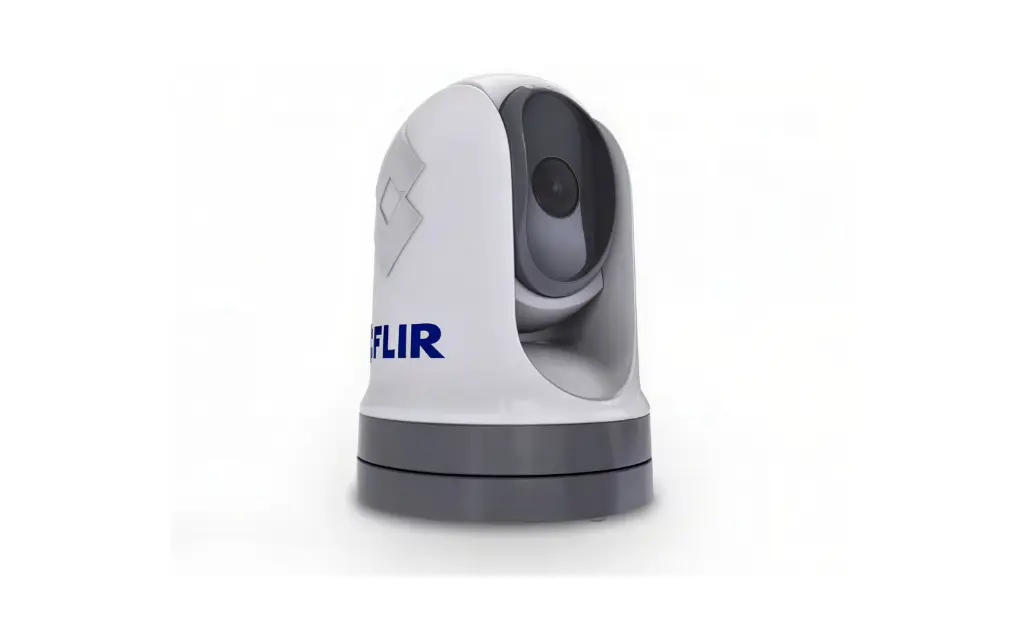
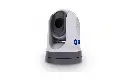

FLIR M332 – Thermal Imaging for Demanding Marine Environments
The FLIR M332 is a mid‑range, pan‑tilt marine thermal camera designed to give crews a clear heat‑based view of their surroundings in darkness, haze, light rain, or other low‑visibility conditions. By visualising temperature differences rather than relying on ambient light, the M332 helps operators detect vessels, obstacles, and other objects that might be difficult to see with standard visible‑light cameras.
Positioned between entry‑level thermal cameras and higher‑end multi‑sensor systems, the M332 offers a strong balance of performance, flexibility, and cost for commercial fleets, workboats, patrol craft, offshore vessels, and coastal installations.
Key features
- Pan‑tilt thermal camera designed for 360‑degree situational awareness
- Heat‑based imaging to support night navigation and low‑visibility operations
- Mid‑range performance suitable for coastal and offshore environments
- Marine‑rated housing for long‑term use in harsh conditions
- Helps crews spot other vessels, floating objects, and hazards in poor visibility
- Can be integrated with compatible bridge displays or fixed monitoring stations
- Well-suited for operators needing more capability than entry‑level thermal systems
Typical Application
- Workboats & commercial vessels
- Support crews during night transits, harbour operations, and coastal passages where thermal awareness improves safety.
- Patrol and enforcement craft
- Provide thermal visibility for watchkeeping, basic surveillance, and incident response during low‑light operations.
- Offshore support vessels & platforms
- Assist in monitoring approach paths, surrounding waters, and selected deck areas where heat signatures can indicate activity or potential risks.
- Coastal and port‑adjacent facilities
- Enhance monitoring of berthing areas, restricted zones, and shoreline sectors, especially in reduced visibility.
Export Restrictions
The information contained in this page pertains to products that may be subject to the International Traffic in Arms Regulations (ITAR) (22 C.F.R. Sections 120-130) or the Export Administration Regulations (EAR) (15 C.F.R. Sections 730-774) depending upon specifications for the final product; jurisdiction and classification will be provided upon request.